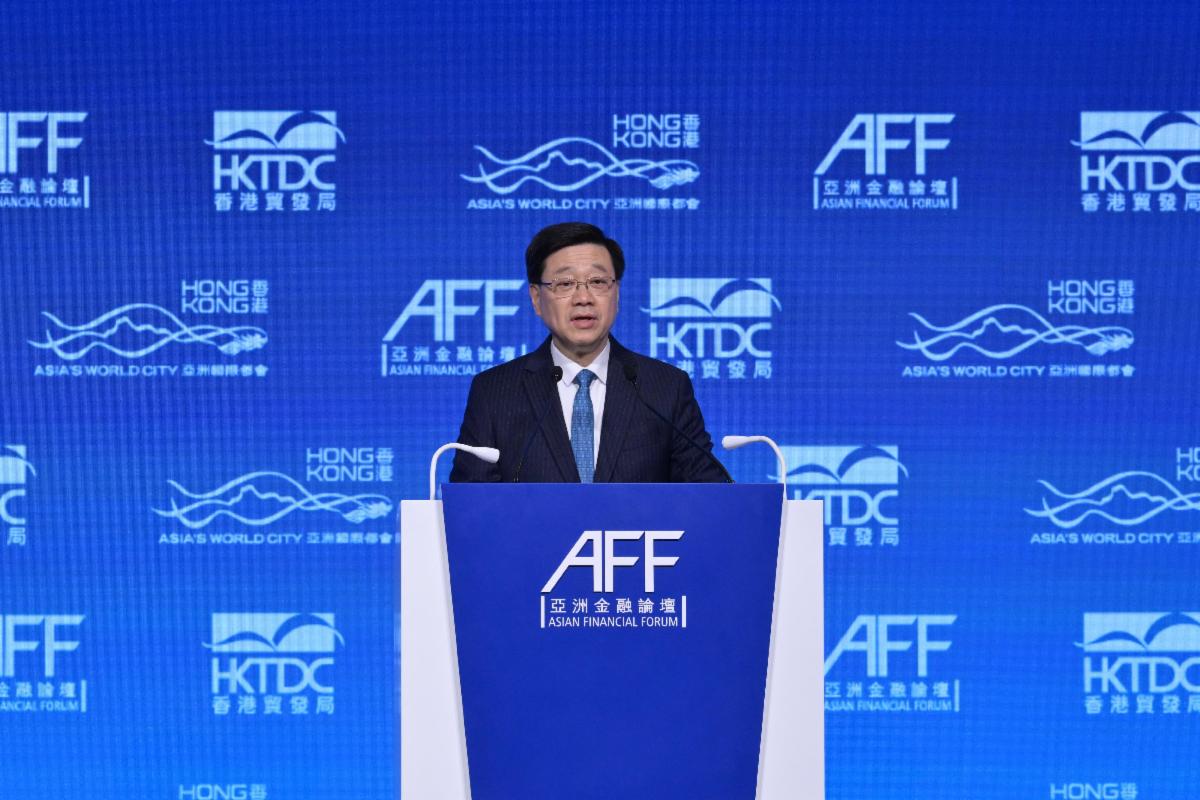
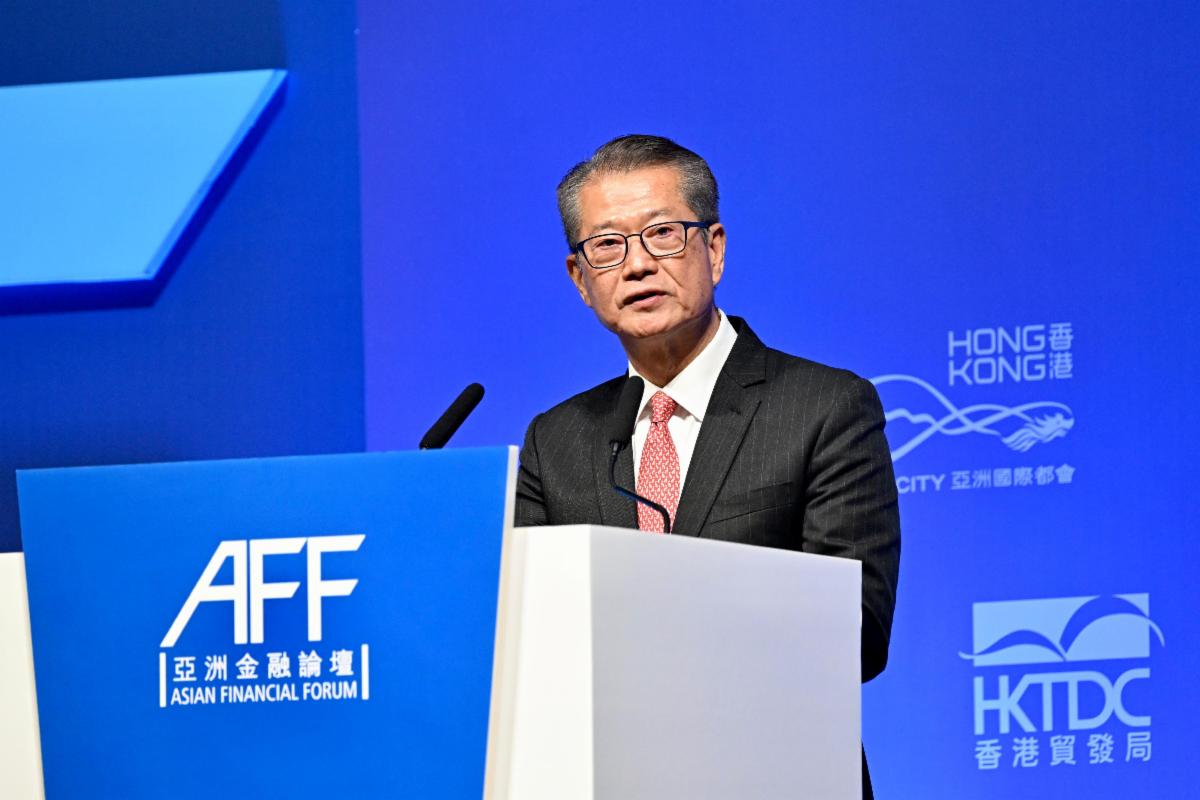
Asian Financial Forum in Hong Kong charts new horizons | The 19th Asian Financial Forum (AFF), held Jan 26 - 27 in Hong Kong, under the theme “Co-creating New Horizons Amid an Evolving Landscape”, attracted over 3,600 participants from over 60 regions. The two-day forum featured more than 150 distinguished speakers discussing trends and opportunities in areas such as asset and wealth management, fintech, trade finance, gold and precious metals trading, green finance, insurance and risk management. In his opening address, Chief Executive John Lee highlighted Hong Kong’s strengths as an international financial hub, noting its robust financial regulatory system, deep liquidity, innovative products, world-class investor protection, and talent pool. He outlined plans to strengthen existing financial sectors, develop new growth areas like gold and commodities trading, and prioritise international exchanges and cooperation, including supporting companies seeking to re-domicile in the city. At the AFF’s keynote lunch, Financial Secretary Paul Chan said Hong Kong was a reliable, trusted, resourceful and well-positioned partner, bridging the Chinese Mainland and the world. He highlighted Hong Kong’s strategic position as the world's premier two-way international fundraising platform, and the world’s leading offshore renminbi (RMB) hub, offering a wide range of RMB-denominated investment and risk management products. Amid global fragmentation, he emphasised that Hong Kong remains open for business and welcomes partners from around the world to collaborate on shaping the future of Asia and of the world at large. | |
| |
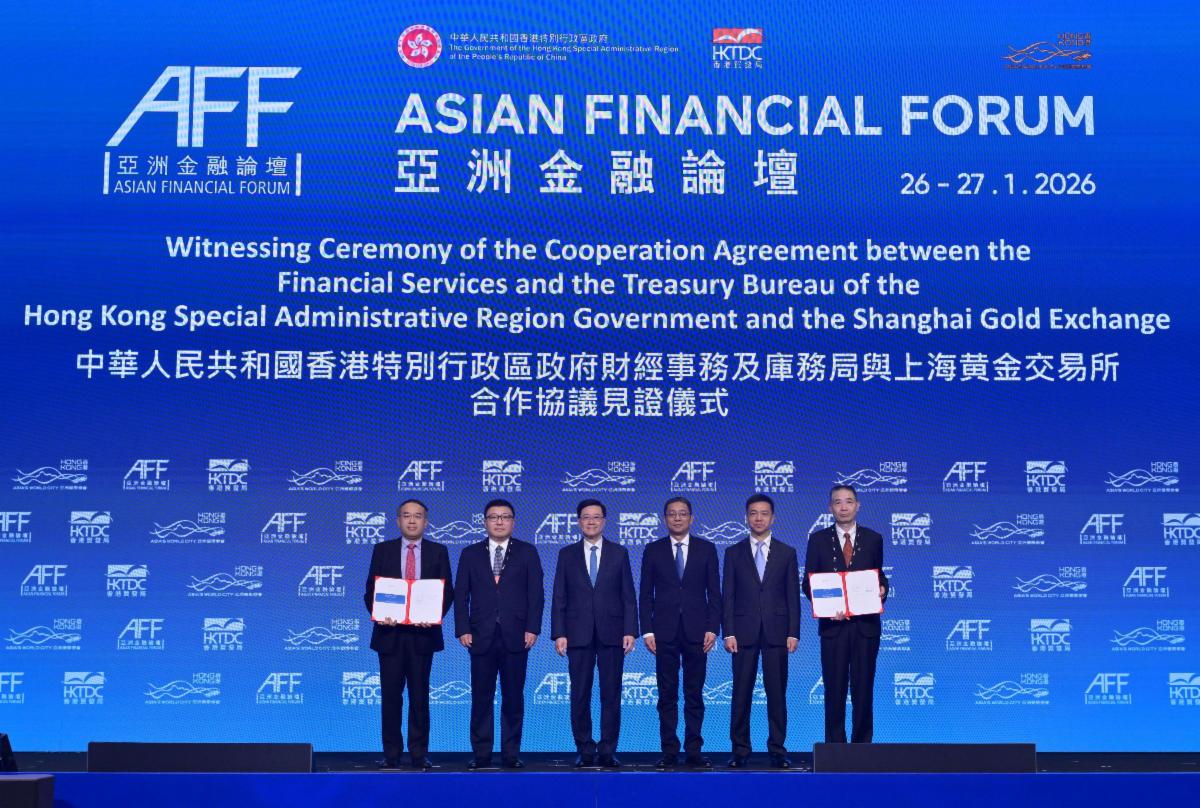
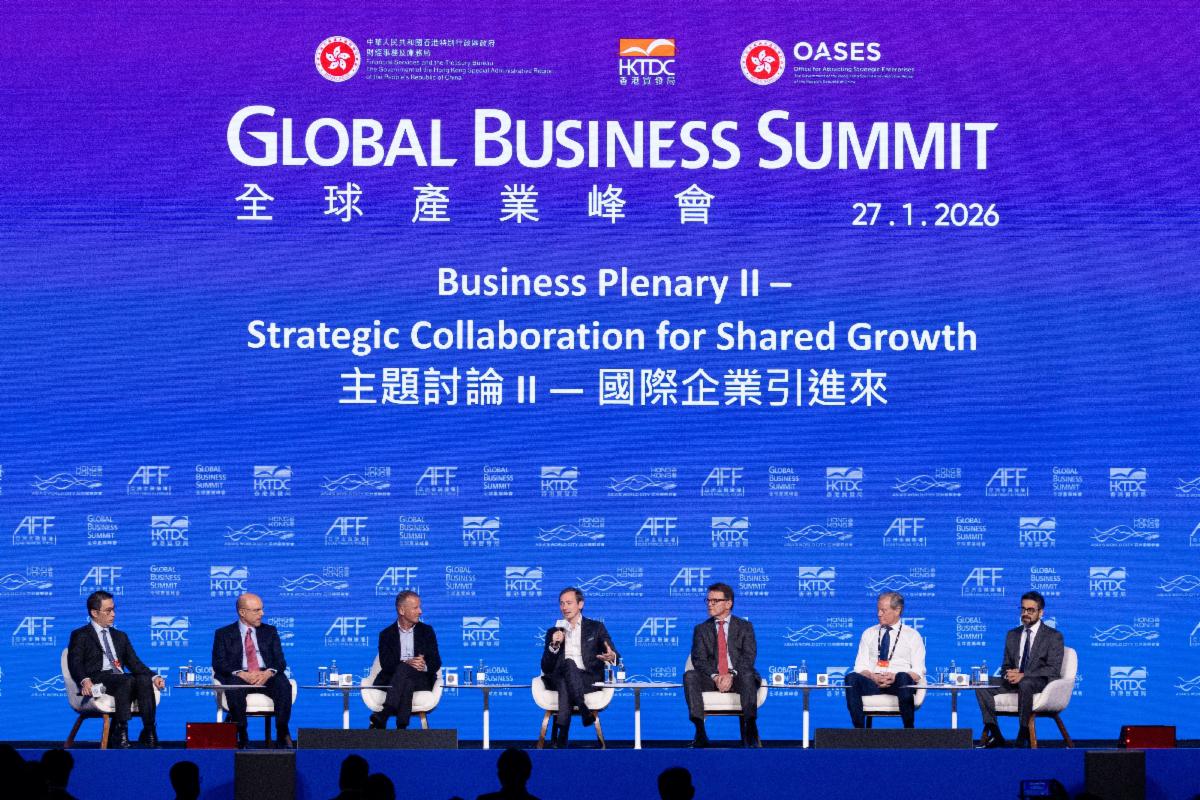
| Hong Kong and Shanghai deepen gold market co-operation | The Financial Services and the Treasury Bureau signed (Jan 26) a landmark co-operation agreement with the Shanghai Gold Exchange during the AFF, aiming to strengthen Hong Kong’s gold market. The agreement establishes a collaborative governance structure for Hong Kong’s new gold central clearing system, and promotes market connectivity, leveraging Shanghai’s warehousing and trading infrastructure. Secretary for the Financial Services and the Treasury, Christopher Hui, outlined measures including expanded gold storage, trial operations of the central clearing system, inclusion of precious metals in preferential tax regimes, and new gold fund listings. | | Inaugural Global Business Summit fosters finance–industry integration | The inaugural Global Business Summit, held on Jan 27 during the AFF, provided forward-looking, multi-dimensional insights into the prospects, challenges and opportunities facing various industries. Addressing more than 3,500 global leaders at the summit, Financial Secretary Paul Chan reaffirmed Hong Kong’s role as an international financial centre, emphasising the importance of empowering industries through finance to deepen integration and collaboration between finance and industry. He identified trade, finance and innovation and technology as the city’s three principal economic drivers, adding that tailored incentive packages, such as land grants, premium concessions, tax incentives and other facilitation measures, would be introduced to attract technology enterprises to the Northern Metropolis. The summit focused on strategies for financial–industrial integration and market trends. Discussions covered life and health technology, artificial intelligence, robotics, new energy, and fintech. It also explored how cross-sector collaboration can drive industrial upgrading, leverage Hong Kong’s strength as a financial and trading centre to support Chinese Mainland enterprises’ global expansion, attract international capital and strengthen Hong Kong’s financial and innovation ecosystem. | |
| |
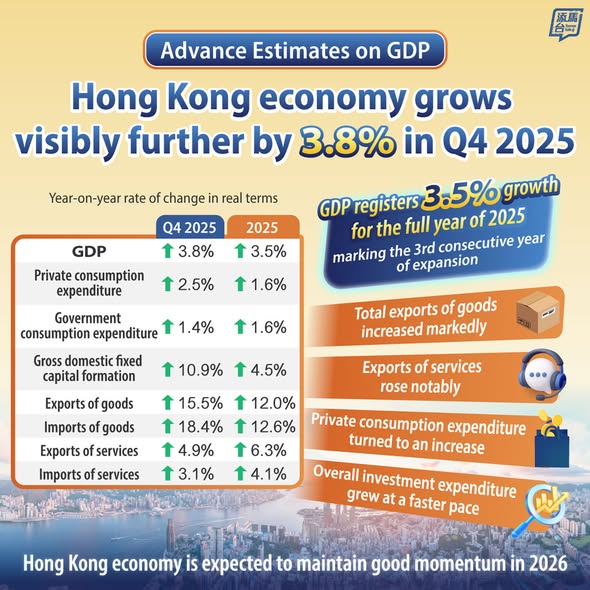
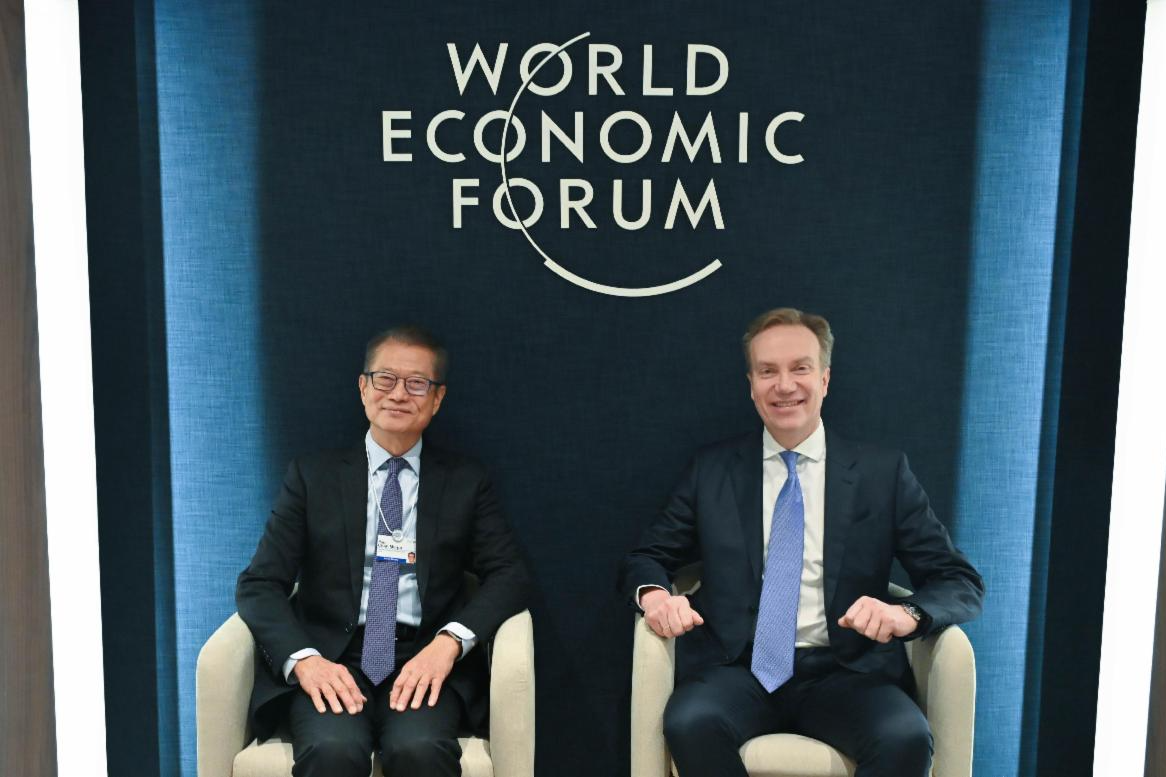
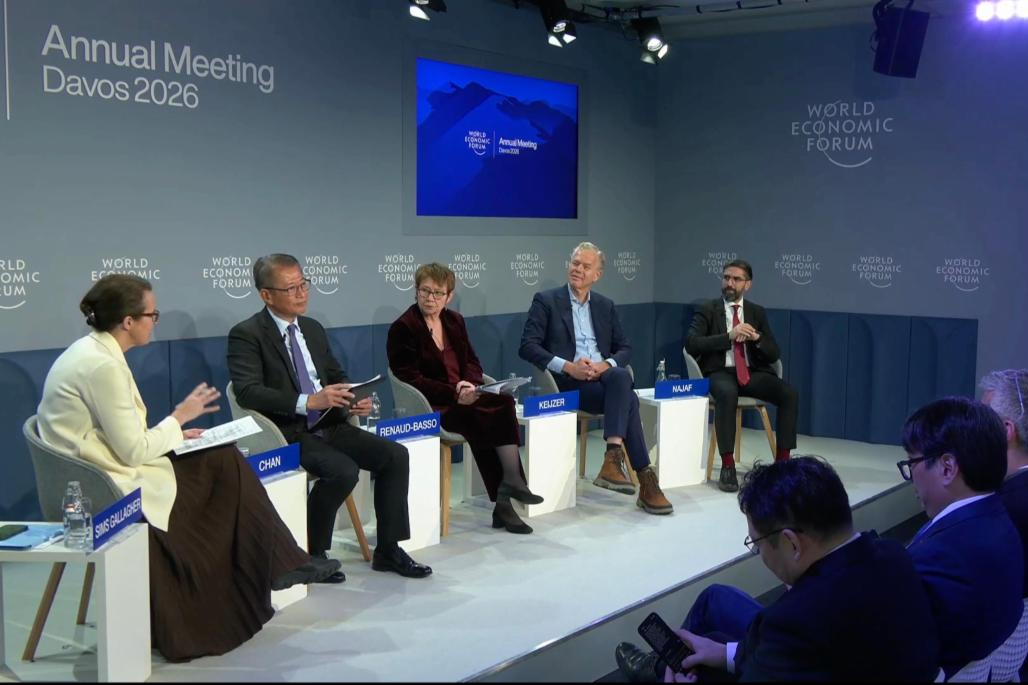
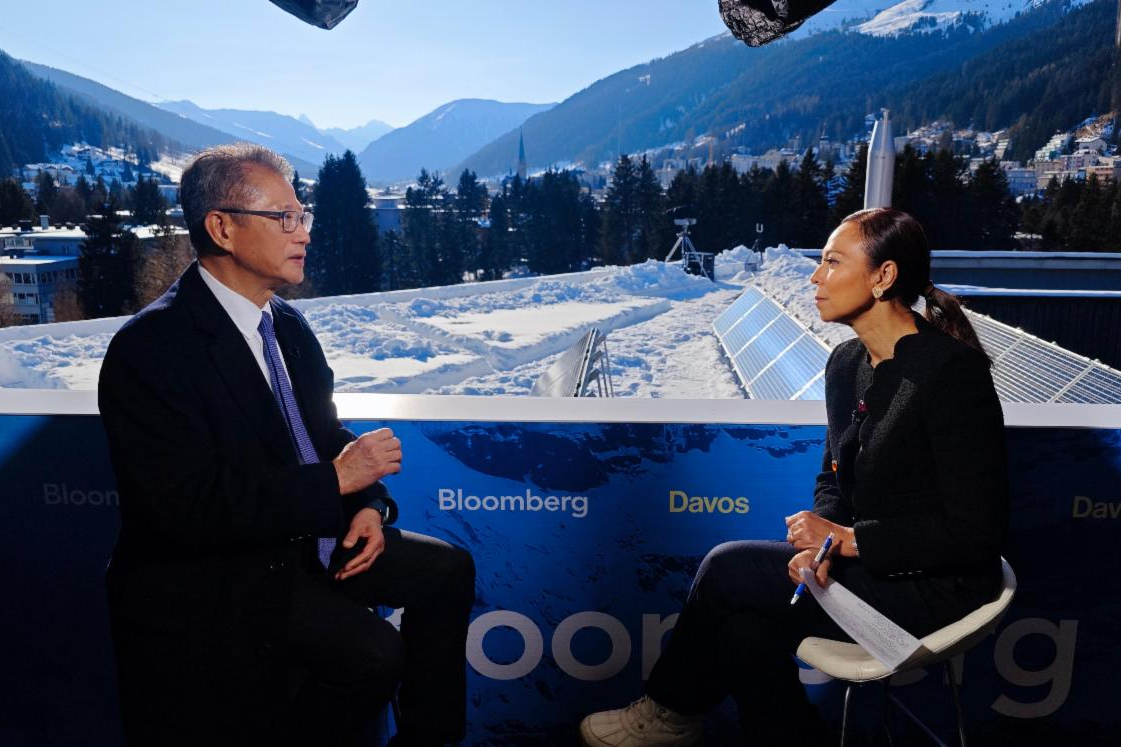
| Hong Kong economy grows by 3.5% in 2025 | Hong Kong economy grew visibly further in 2025, with real GDP grew by a robust 3.5%, an acceleration from the 2.6% growth in 2024 and marking the third consecutive year of expansion. In the fourth quarter of 2025, real GDP expanded by 3.8% year-on-year, up from the 3.7% growth in the preceding quarter. Growth was driven by a marked increase in total exports of goods, propelled by strong demand for electronic-related products and buoyant regional trade flows in Asia. Exports of services rose notably, supported by sustained growth in inbound tourism as well as vibrant cross-boundary financial service activities. Looking ahead to 2026, Hong Kong’s economy is expected to maintain good momentum in 2026, supported by moderate global growth, strong demand for artificial intelligence-enabled electronic-related products, potential US interest rate cuts and government measures to develop the economy and diversify markets. | | Financial Secretary's visit continued in Davos | Financial Secretary Paul Chan promoted Hong Kong’s strategic strengths in finance, trade, and innovation, during his attendance at the World Economic Forum (WEF) Annual Meeting, Jan 19-23, in Davos, Switzerland, underscoring the city’s role as an international financial centre and gateway to China’s high-quality, innovation-driven economy. Speaking at the “How to Finance Decarbonization?” session (Jan 22), he outlined Hong Kong’s 2050 carbon neutrality target, emphasising green finance initiatives like tokenised green bonds, sustainable infrastructure investment, and incentives for electric vehicles and green buildings. | | |
Delivering a keynote speech at the 2026 Davos-Caixin CEO Luncheon (Jan 21), Mr Chan introduced Hong Kong’s development vision and strategic positioning in finance, trade and innovation and technology. He highlighted Hong Kong’s collaboration with neighbouring cities in the Guangdong-Hong Kong-Macao Greater Bay Area on financial and technological innovation. In a business exchange session, he engaged nearly 100 global leaders on economic outlooks, strategies to enhance economic resilience, and ways to promote sustainable growth. During his WEF engagements (Jan 20), Mr Chan shared Hong Kong’s latest developments and unique strengths as an international financial centre, emphasising its proactive and prudent approach to digital assets development, following the principle of “same activity, same risk, same regulation” to promote responsible and sustainable market development.
In his meeting with the Director-General of the World Trade Organization (WTO), Dr Ngozi Okonjo-Iweala, Mr Chan reiterated that Hong Kong’s strong support for free trade and multilateralism, and backed the WTO’s reform efforts to enhance its agility in addressing emerging issues in international trade.
| | |
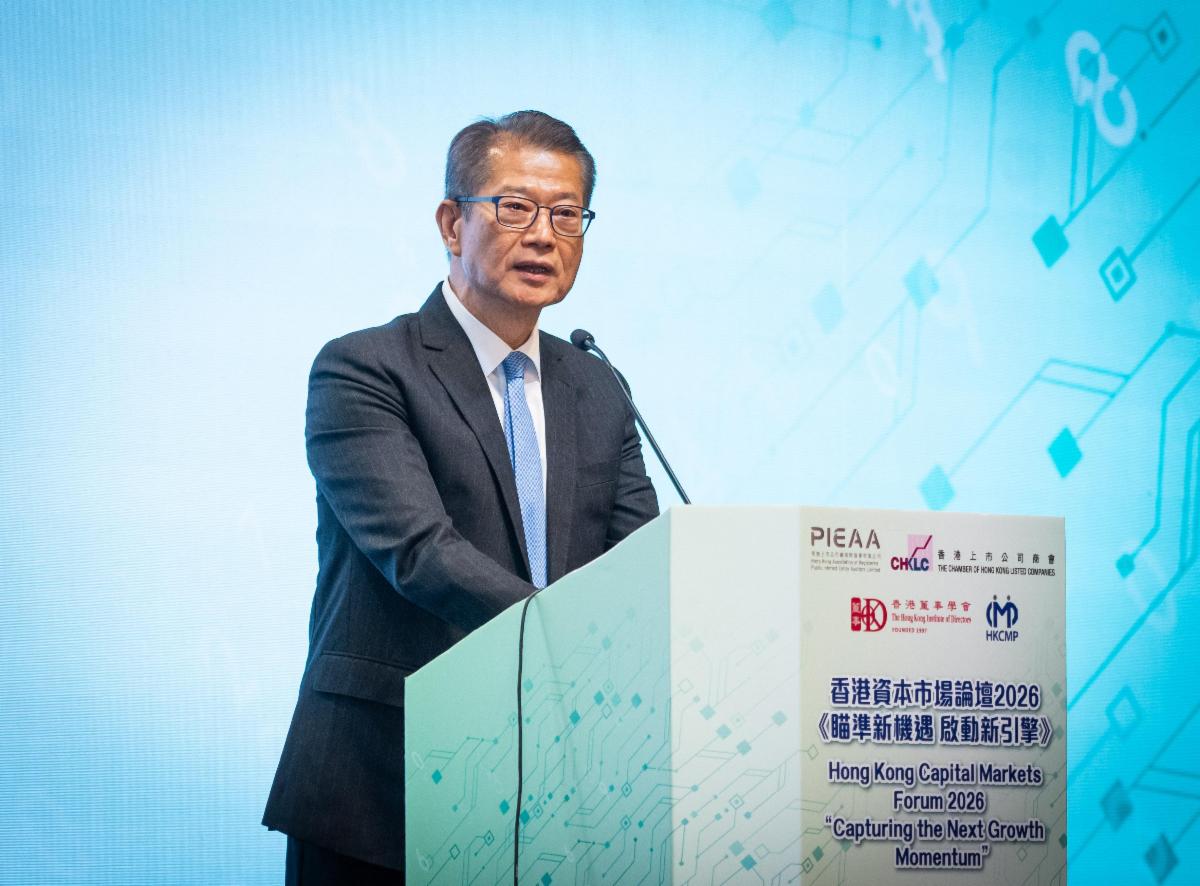
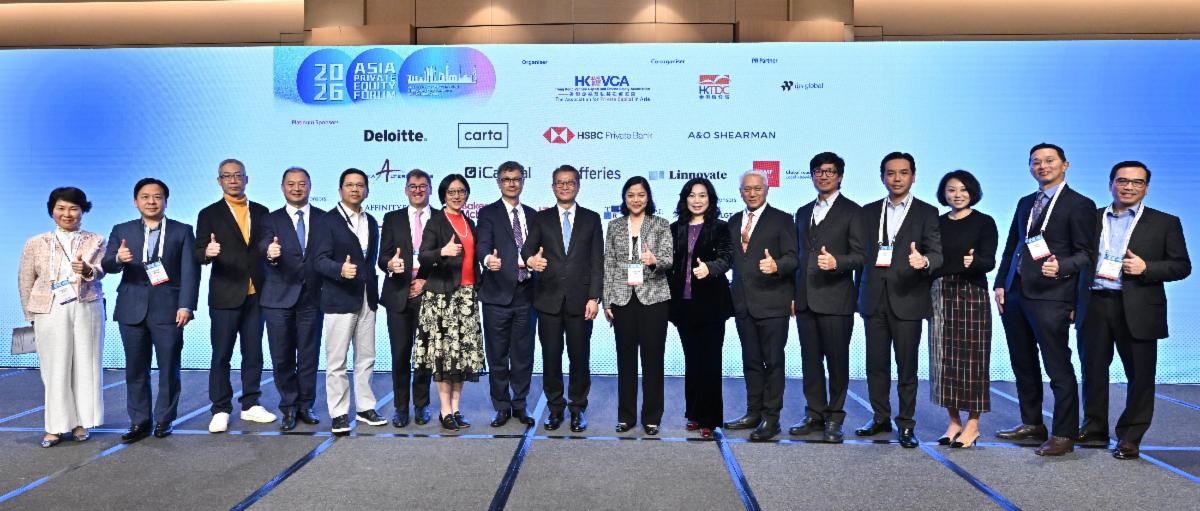
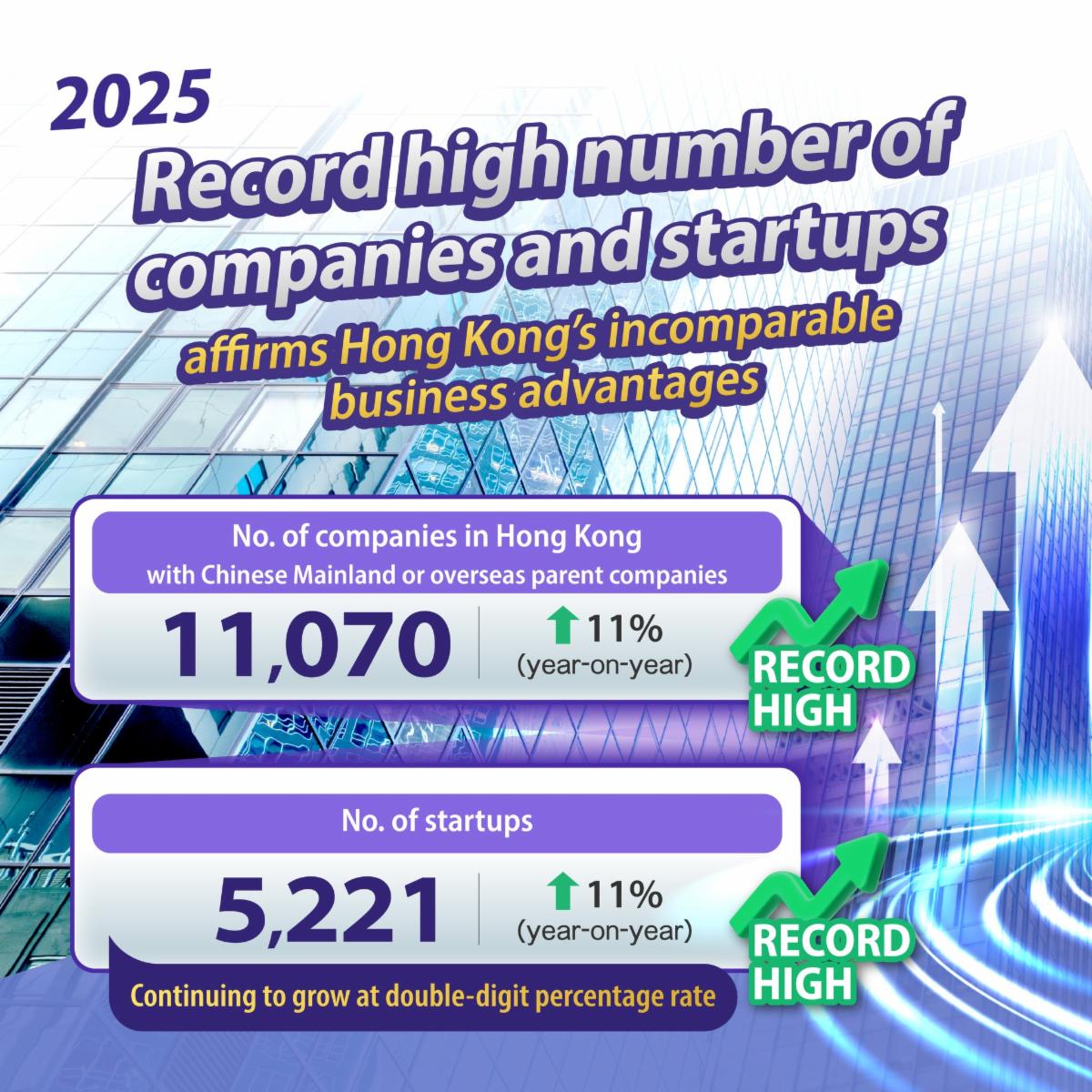
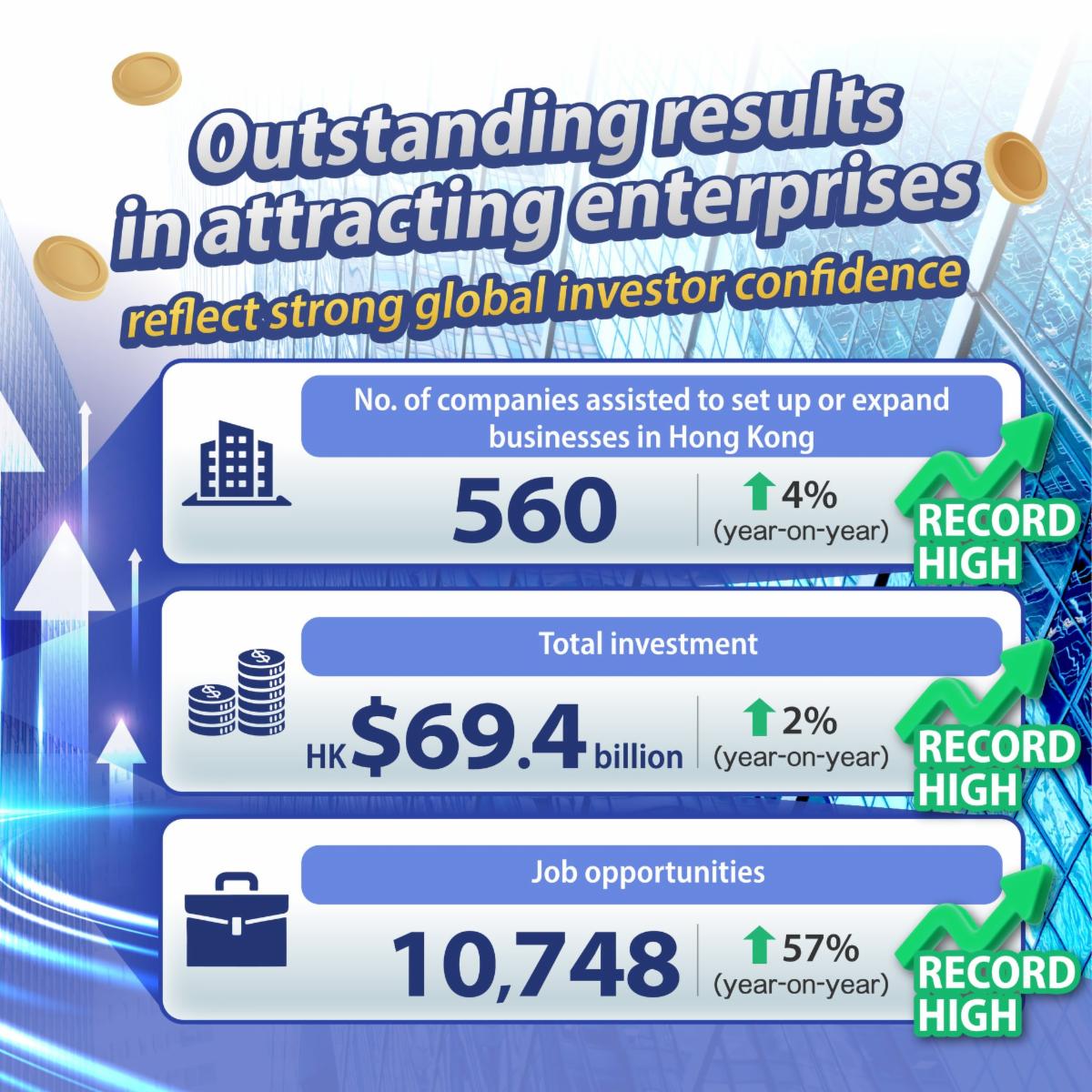
| Hong Kong leads in both public and private equity markets | Financial Secretary Paul Chan highlighted (Jan 28) the resilience of Hong Kong’s capital markets in 2025 at the Hong Kong Capital Markets Forum 2026, with strong gains in equities, trading, and IPO fundraising. Bank deposits, fund inflows, and asset and wealth management activity also grew robustly, reflecting investor confidence. To drive future growth, he outlined priorities: enhancing stock market competitiveness, developing new areas like gold and commodities trading, and strengthening Hong Kong’s position as the leading offshore renminbi hub. Speaking at the Asia Private Equity Forum on the same day, Mr Chan emphasised the city’s strength as a leading private capital hub with over 650 private equity firms with about US$230 billion in assets under management — second in Asia — while ongoing reforms to fund structures, open-ended and limited partnership fund gr owth, and enhancements to tax and preferential regimes will further boost Hong Kong’s competitiveness as a premier hub for private capital. He pointed to Asia’s strong medium-term fundamentals and rising opportunities in areas such as artificial intelligence, biotech and new energy, and outlined plans to enhance tax incentives, expand qualifying investments and broaden exit channels to further strengthen Hong Kong’s private equity ecosystem. | | US ranks second as international firms and startups in Hong Kong breaks record high | The number of companies in Hong Kong with Chinese Mainland or overseas parent companies rose to 11,070 in 2025, while the number of startups in Hong Kong increased to 5,221, both reaching record highs, according to the latest annual surveys. In particular, US-based parent companies accounted for 1,550 Hong Kong firms, ranking second globally after Chinese Mainland and reaching a record level. On the other hand, the city’s startup ecosystem continued to gain momentum, with the 5,221 startups hiring nearly 20,000 startup employees, representing year-on-year growth of 11% and 12%, respectively. International founders made up about one-third of the startup community, reflecting the city’s global appeal. Invest Hong Kong supported 560 companies in setting up or expanding locally, and are expected to generate an estimated US$8.9 billion (HK$69.4 billion) in investment and over 10,000 jobs. Growth was driven by high-value sectors including financial services, innovation and technology, and family offices. The top 3 sources were the Chinese Mainland, the United States and Singapore. | | | |
| Hong Kong to host Global Talent Summit in March | The international mega talent event, Global Talent Summit Week (GTS Week) will take place in Hong Kong in mid-March, focusing on the integration of education, technology, and talent to foster cross-regional talent exchange and explore future talent trends. The GTS Week consists of three parts: the International Talent Forum and CareerConnect Expo, which will be held at the Hong Kong Convention and Exhibition Centre (Mar 18-19), alongside a week-long series of satellite events dedicated to human resources and talent development. The Summit, presented by Hong Kong Talent Engage, will showcase development opportunities, foster collaboration, and engage global leaders. The forum will be livestreamed. For more information and pre-event registration, please visit the website. | | INNOVATION AND TECHNOLOGY | | I&T accelerator programme unveiled | The Innovation and Technology Commission (ITC) launched (Jan 29) the Pilot Innovation and Technology Accelerator Scheme (PITAS) to support innovation and technology (I&T) enterprise service providers in establishing accelerator bases in Hong Kong. Eligible providers can apply by Apr 30. With a US$23 million (HK$180 million) fund, the programme offers matching support of up to US$3.8 million (HK$30 million) per project to cover setup and operational costs. Details of the programme can be found on the ITF website. | |
| ADMINISTRATION AND CIVIC AFFAIRS | | |
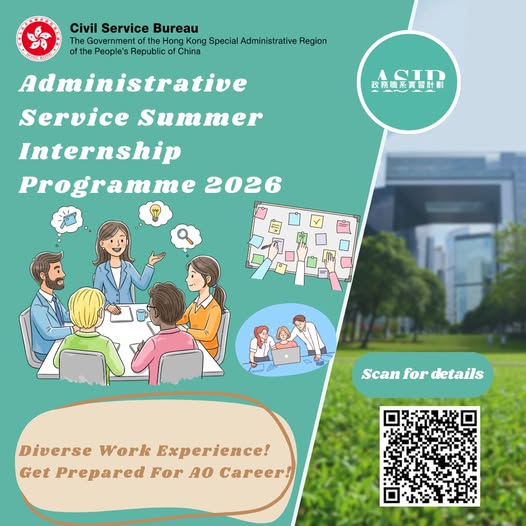
| HKSAR Government summer internship recruiting | Hong Kong students aspiring to join the Administrative Service can gain hands-on experience working alongside serving Administrative Officers (AOs) in the Hong Kong Special Administrative Region (HKSAR) Government through the Administrative Service Summer Internship Programme 2026. The programme offers participants the opportunity to deepen their understanding of the roles and missions of an AO, and learn more about the work of the HKSAR Government. The programme is open to students who possess permanent residents status in of the HKSAR and are full-time undergraduate or postgraduate students at a local, Mainland or overseas tertiary institution during the 2025–26 and 2026–27 academic years, and who expect to obtain a bachelor’s degree or higher qualification by summer 2027 or 2028. Students studying outside Hong Kong must submit their applications by email to the Civil Service Bureau (CSB) by February 27, 2026 (Hong Kong Time). The application form and full details of the Programme, including the selection criteria, can be found on the CSB website. | | HKSAR disapproves Panama port ruling | The HKSAR Government said (Jan 30) that it strongly disapproves of a Panamanian court ruling which declared unconstitutional the renewal of contracts for two ports operated by Hutchison Ports Panama Ports Company. In a statement, the HKSAR Government urged Hong Kong enterprises to carefully review both existing and future investments in Panama given the current situation. It reiterated strong opposition to any foreign government using coercive, repressive or otherwise unreasonable means in international economic and trade relations to seriously harm the legitimate business interests of Hong Kong enterprises. The HKSAR Government warned that such actions damage Panama’s business environment, undermine investor confidence, and adversely affect the bilateral relations and long-term economic development. It also called on the Panamanian authorities to respect the spirit of contracts and ensure a fair, and interference-free operating environment for Hong Kong enterprises. | |
| |
The Basic Law (BL) is the constitutional document of the HKSAR. It provides the guarantees to maintain our existing way of life, including socio-economic development, the rights and duties of Hong Kong people, the rule of law and other areas. The Basic Law was put into effect on July 1, 1997.
Q: What are Hong Kong’s policies on foreign exchange control, currency convertibility, capital flow and the management and stability of its currency issuance?
A: Hong Kong maintains a free and open financial system with freely convertible Hong Kong dollar and no foreign exchange controls, with the government safeguarding the free flow of capital within, into and out of the HKSAR. The issuance of the Hong Kong dollar is backed by a 100 percent reserve fund. The Government of the HKSAR may authorise designated banks to issue or continue to issue Hong Kong currency under statutory authority, provided it is satisfied that each issuance is soundly based and consistent with maintaining the stability of the currency. (BL111, 112)
| | | | |